


The current global situation is full of uncertainties, including geopolitical tensions, US-EU trade frictions, tariff threats, and other factors, leading to economic challenges for many countries. However, Ireland has demonstrated strong resilience, maintaining high sovereign credit ratings, optimistic economic growth prospects, and becoming a prime choice in the eyes of investors.
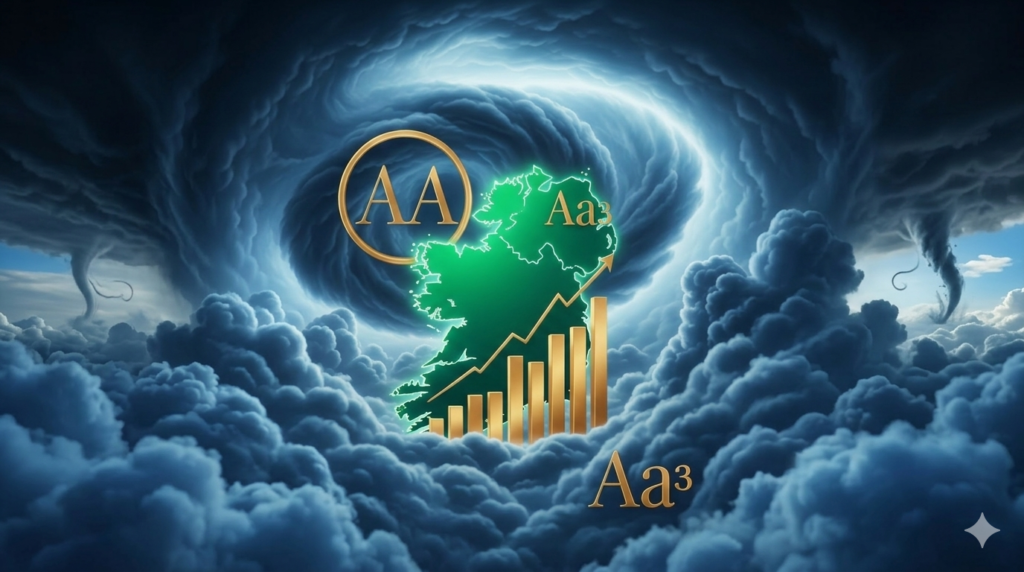
Ireland's sovereign credit ratings remain excellent among major rating agencies:
- S&P: AA (Positive Outlook)
- Fitch: AA (Stable Outlook)
- Moody's: Aa3 (Positive Outlook)

These ratings are classified as high investment grade, reflecting the high recognition by international institutions of Ireland's sound fiscal policies, robust institutions, and economic potential. Even in the face of global uncertainties, Ireland's ratings have not been downgraded; instead, some outlooks are positive, demonstrating its outstanding risk resilience.
In terms of economic growth, Ireland saw robust GDP growth in 2025 (with multiple institutions predicting over 10%, some around 12%), primarily driven by multinational corporations (especially in the pharmaceutical and technology industries). As we enter 2026, although the growth rate has slowed down (affected by the fading of the front-loaded effects from 2025 investments), it still remains positive:
- Most institutions predict GDP growth of around 2-3% (for example, KPMG forecasts 3%, Bank of Ireland 2.8%, some outlooks 2.5 - 3.2%).
- The 'Modified Domestic Demand,' which better reflects the local economy, is expected to grow by 2.3 - 3.2%, demonstrating stable domestic demand.
- The unemployment rate remains low (around 4.7 - 5%), wage growth continues (around 3 - 4%), employment and population inflows support consumption and housing demand.
Referencing an article from Ming Pao (March 6, 2026, 'Impact of tariffs on small Irish property market steadily rising'), the fundamental economic situation in Ireland is stable, with limited impact from global tariffs. The main reasons include:
- Key export industries (such as pharmaceuticals) enjoy exemptions or low impact.
- The monetary policy of the European Central Bank remains stable (deposit rates are expected to be maintained at 2%).
- The government is actively promoting infrastructure and housing supply (such as reducing value-added tax, streamlining approvals), stimulating the market.

Despite the risks (such as escalating trade wars, AI's impact on the labor market, and multinational corporations' tax dependency), Ireland continues to stand out in Europe with its high value-added industry structure, robust fiscal buffers, EU membership advantages, and English-speaking environment. Compared to other European countries, Ireland exhibits greater resilience in the face of global uncertainties.
In summary, amidst the current global turmoil, Ireland not only maintains excellent credit ratings, but also sustains positive economic growth. Whether it is in the stock market, bond market, or real estate investments, it remains attractive and a worthwhile investment destination. Investors should keep a close eye on multinational corporate trends and trade policy changes, but overall, Ireland remains a stable choice.